


The name Sherpa is known worldwide. Yet few people realize that “Sherpa” does not refer to a profession – it is the name of a people, a culture, a way of life. They are the heroes of Everest expeditions, the silent guardians of the Himalayas, and the very people to whom the story of Himalaya & Sons coffee is personally connected.
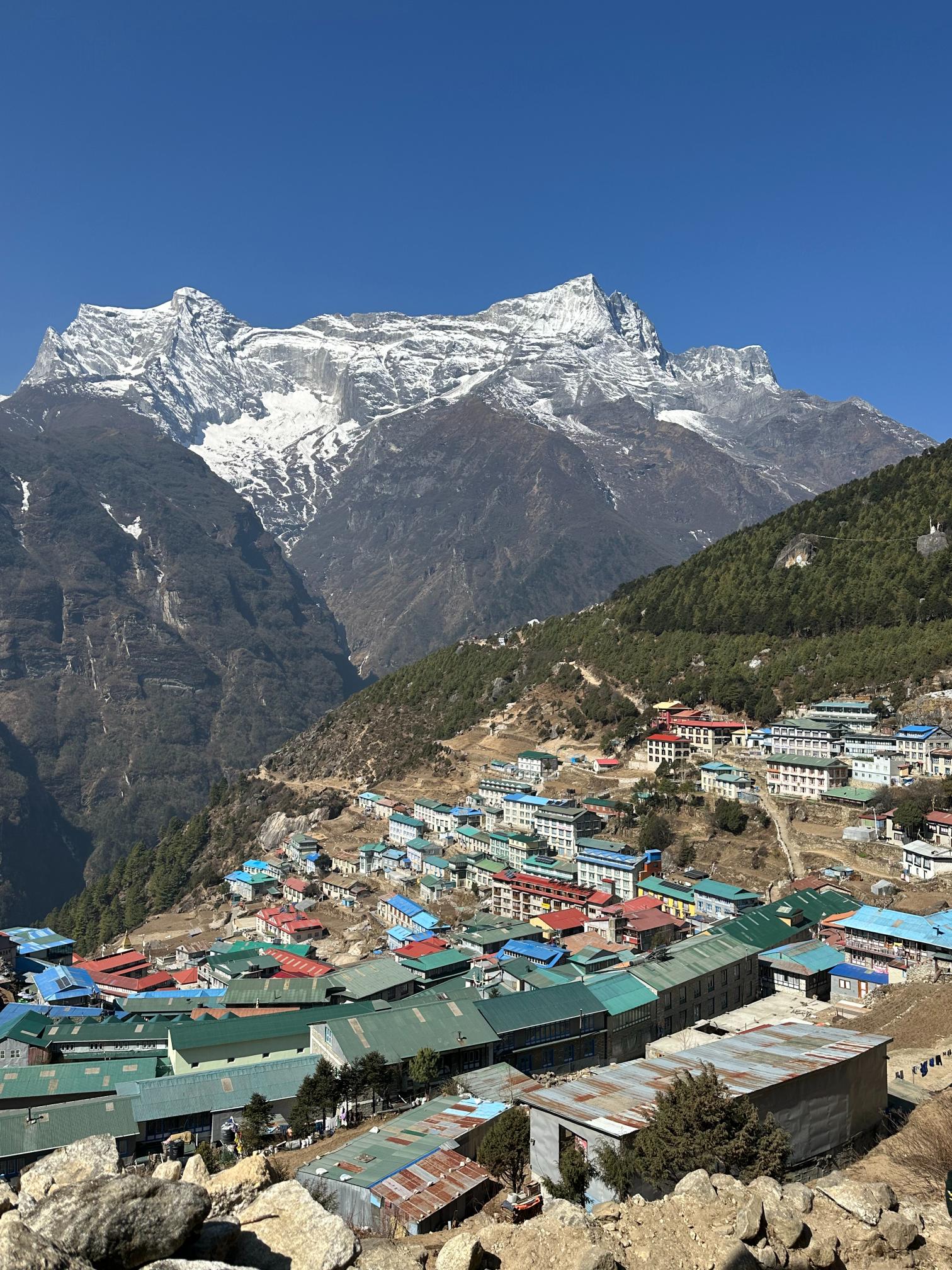
This article is not only a collection of fascinating facts – it also evokes the unique world I experienced myself on the Everest Base Camp trek, when I stepped into a Sherpa family’s tiny café and tasted freshly roasted Nepalese arabica for the first time.
1. “Sherpa” Is Not a Job – It Is an Ethnic Group
In the Western world they are often referred to as porters or mountain guides, but “Sherpa” is actually an ethnicity. They have their own language, culture, religion, and history.
2. Extraordinary Genetic Adaptation to High Altitude
The Sherpa body has evolved to use oxygen in a unique and highly efficient way. That’s why they move so effortlessly at 4,000–6,000 meters – altitudes where others struggle to breathe.
3. Exceptional Cold Tolerance
Among Tibetan-related peoples, they have some of the highest measured resilience to cold. Their body temperature and metabolism remain more stable even under extreme conditions.
4. Sacred Mountains and Ancient Legends
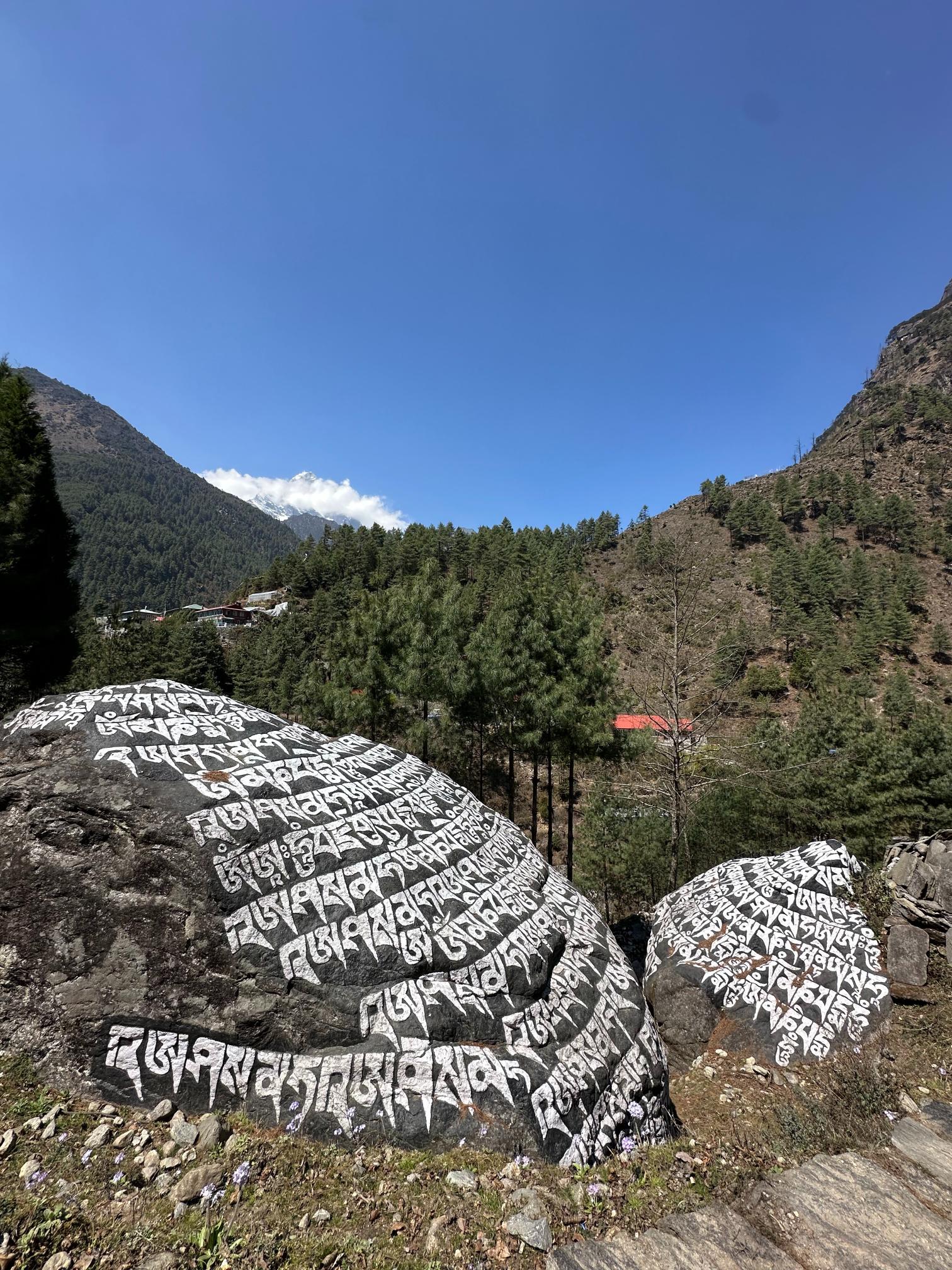
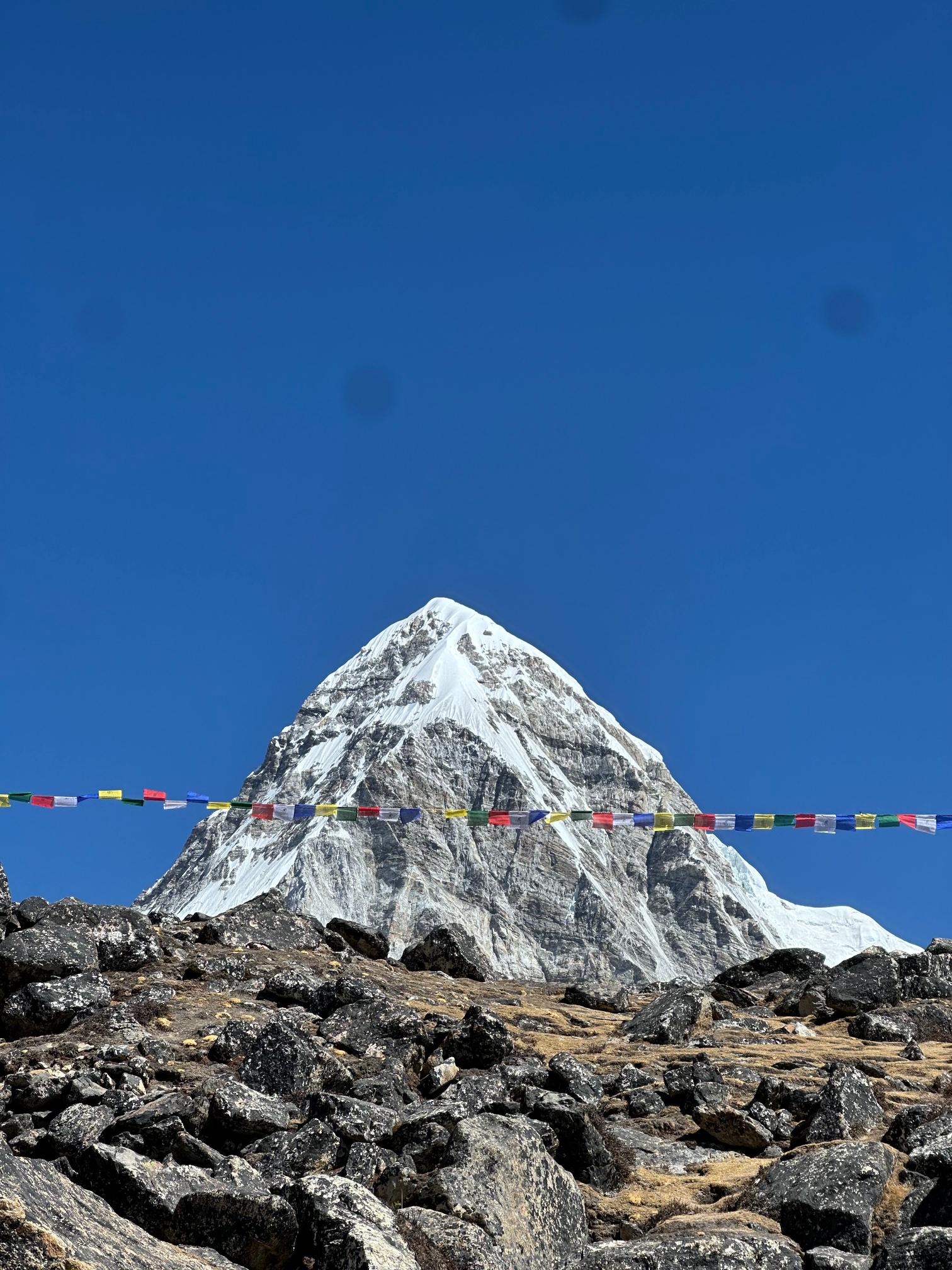
In Sherpa mythology, the highest peaks are sacred places. They honor the goddess Chomolungma and the mountain spirits with deep reverence.
5. Puja – A Blessing Before Every Expedition
No climb begins without the traditional puja ceremony, performed to seek success and the mountain’s goodwill. Witnessing this at Base Camp is an unforgettable experience.
6. The Secret of the Sherpa Smile
In Sherpa communities, gratitude is the foundation of life. Despite harsh conditions, they remain positive, kind, and profoundly respectful of nature.
7. The World’s Greatest High-Altitude Mountaineers
Sherpa climbers hold dozens of world records – yet they are humble and unassuming.
8. Coffee Cultivation as a Community Heritage
For them, coffee is not a business but a tradition. Sherpa families harvest, select, and roast by hand – using knowledge passed down through generations.
9. The Rarity of Nepalese Arabica
Because of the limited growing area, extreme altitude, and manual labor, Nepalese coffee is produced in small quantities – not in mass production.
10. The “Khumbu Spirit” – The Essence of Sherpa Culture
Humility, community, love, patience, silence, and respect. This is the spirit we want to share with every package of Himalaya & Sons coffee.
The Sherpa people do not simply live in the mountains – they are the soul of the mountains.