


Only a small percentage of the world’s coffee grows in places where the air is already thin, the mornings are always quiet, and the sunrise paints the mountains in completely different colors. Yet these coffees rank among the most exceptional of all. But what makes coffee grown above the clouds so different? And why is the Nepalese arabica from Himalaya & Sons so rare, unique, silky, and aromatic?
In this article, I’ll explain everything most coffee lovers don’t even suspect – yet Sherpa families have known for generations.
What Counts as “Altitude-Grown” Coffee?
According to international standards, any arabica grown at:
- Above 1,200 meters → high altitude coffee
- Above 1,600 meters → strictly high grown
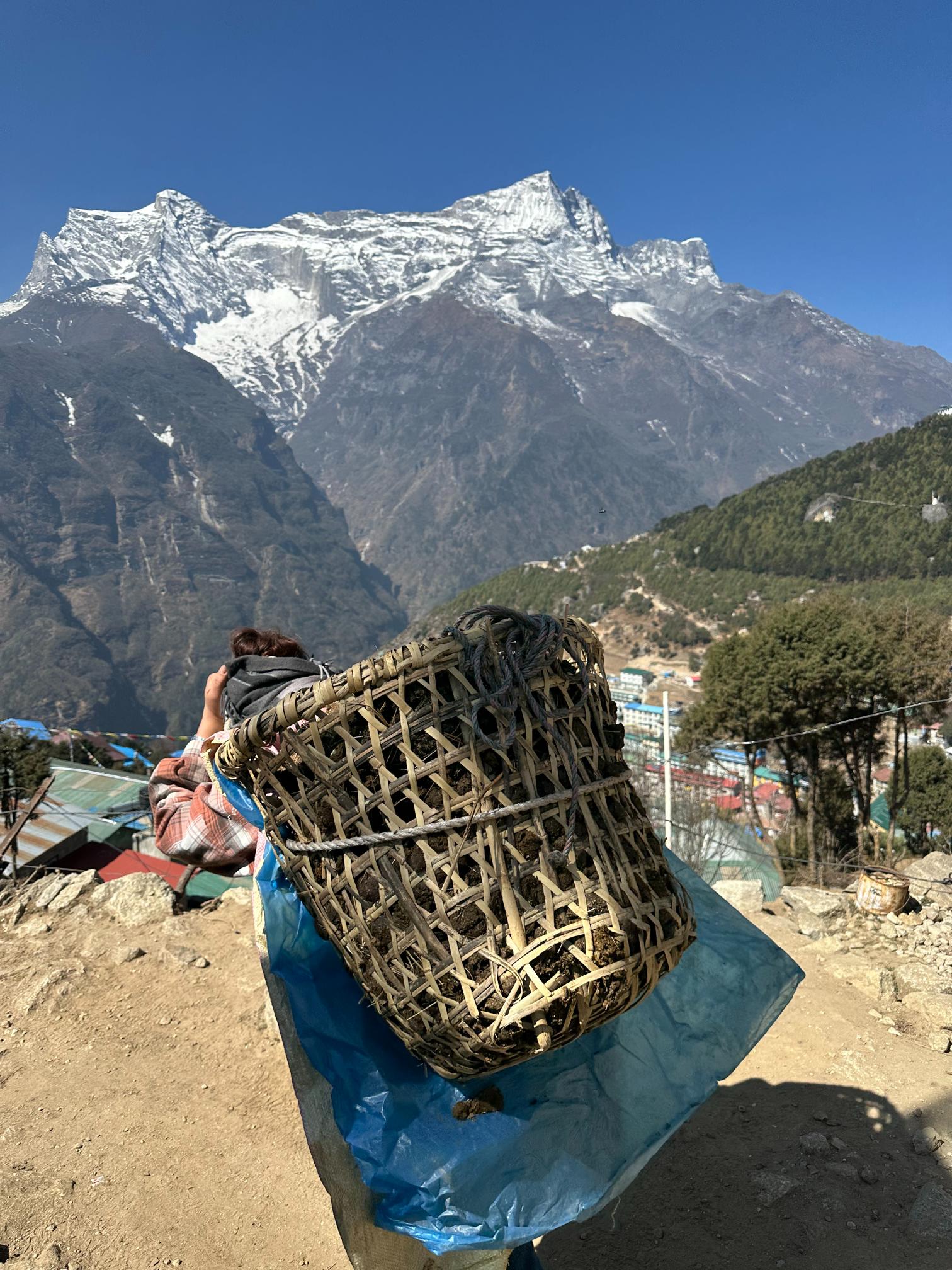
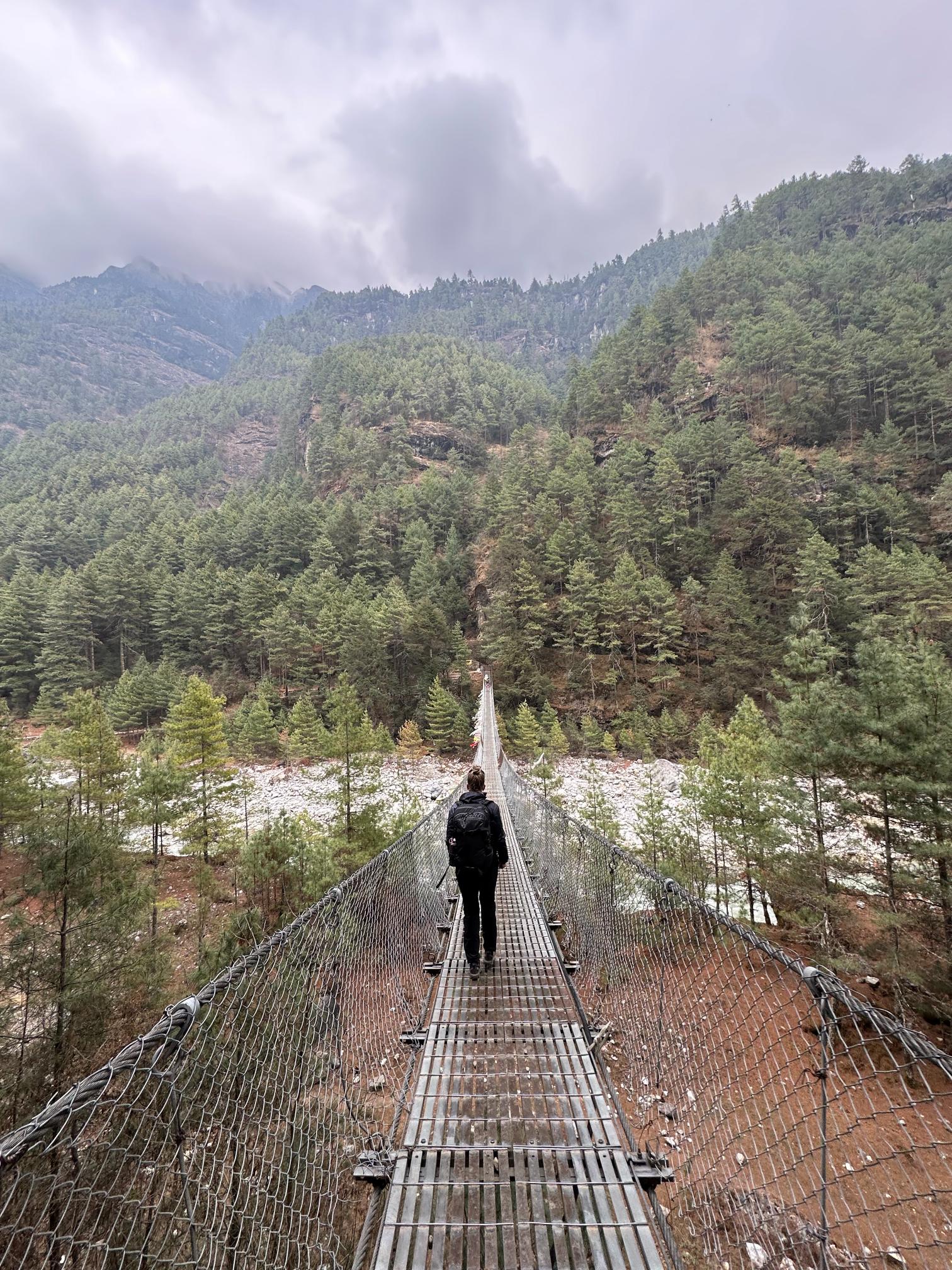
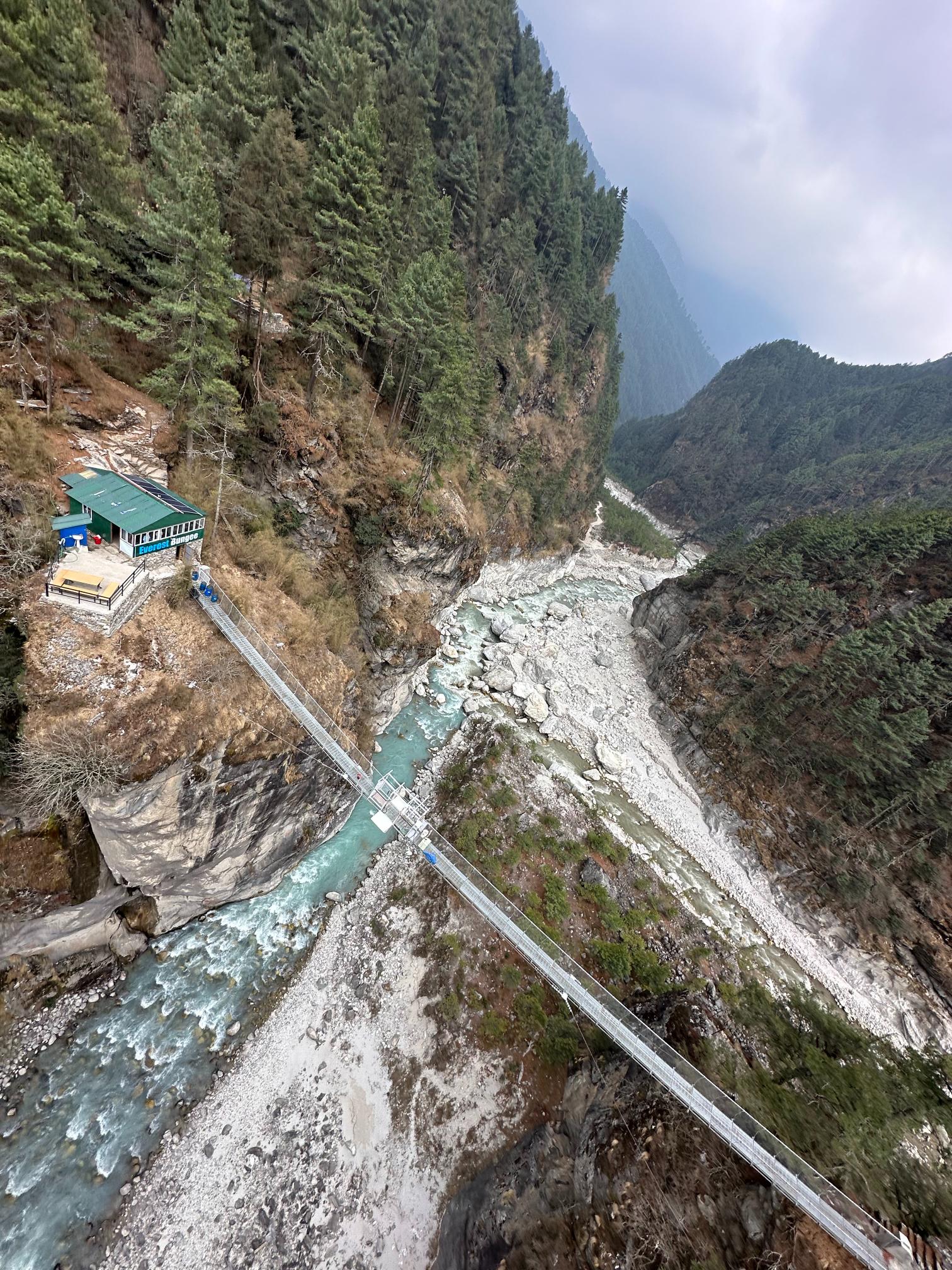
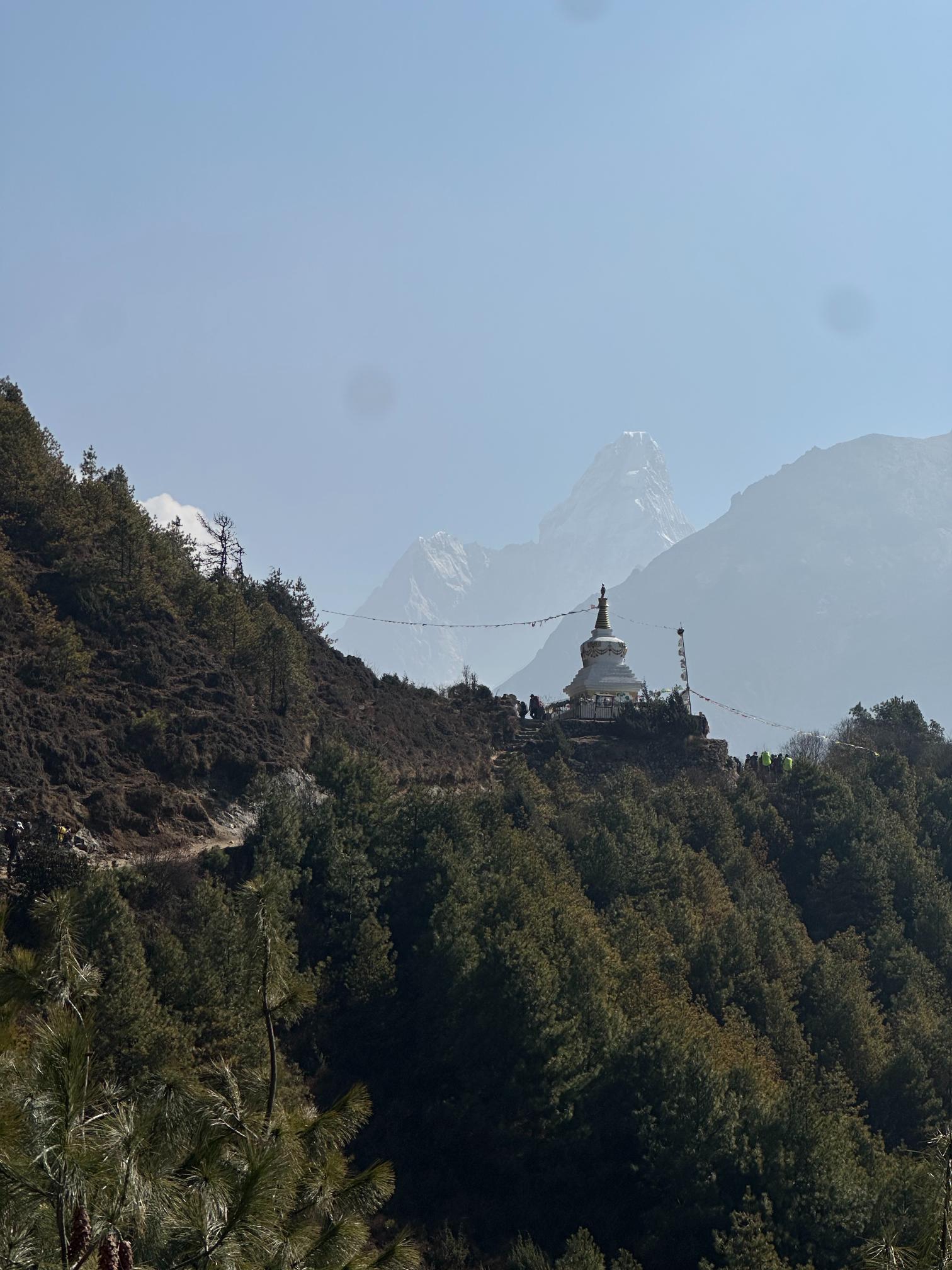
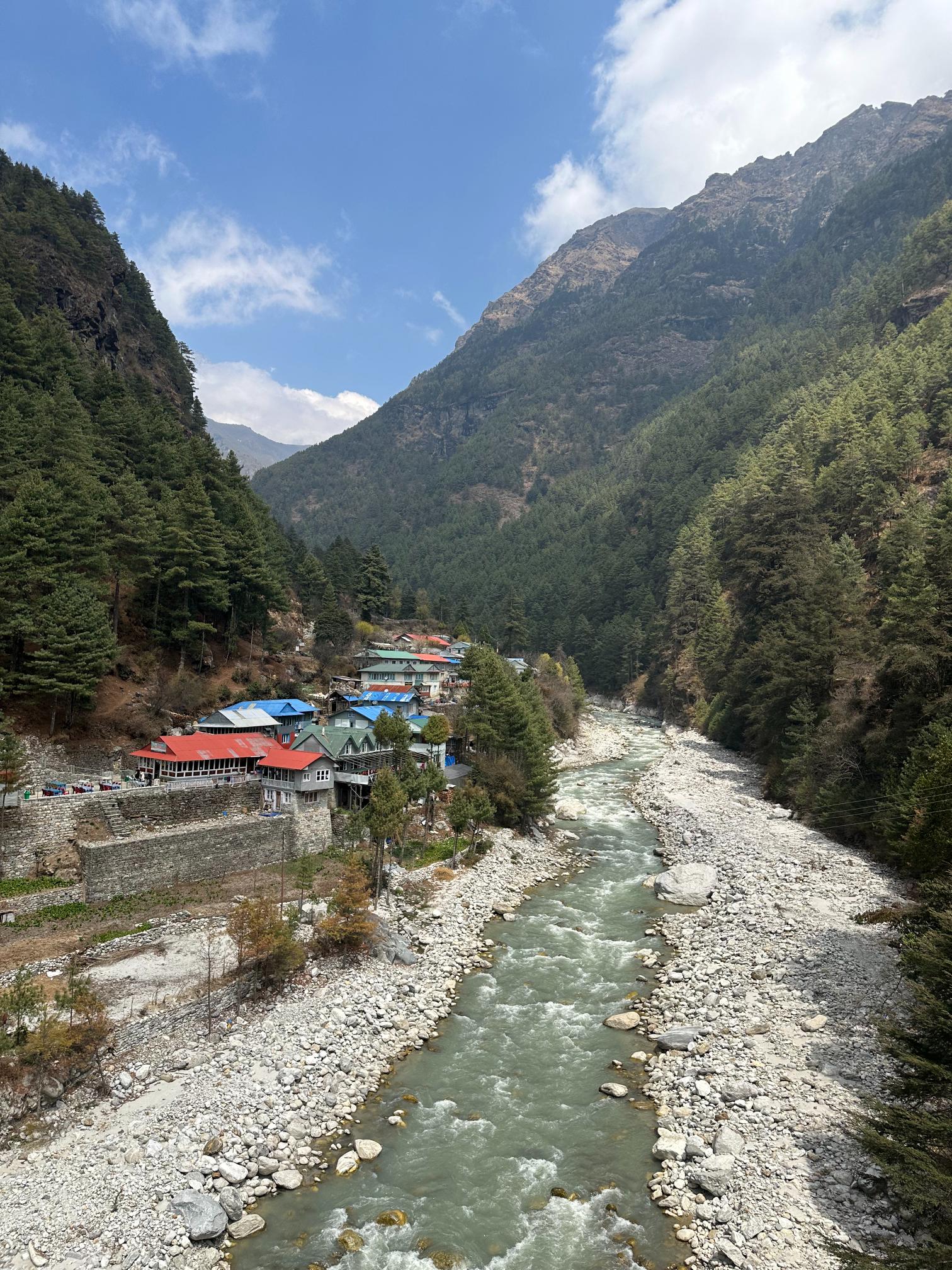
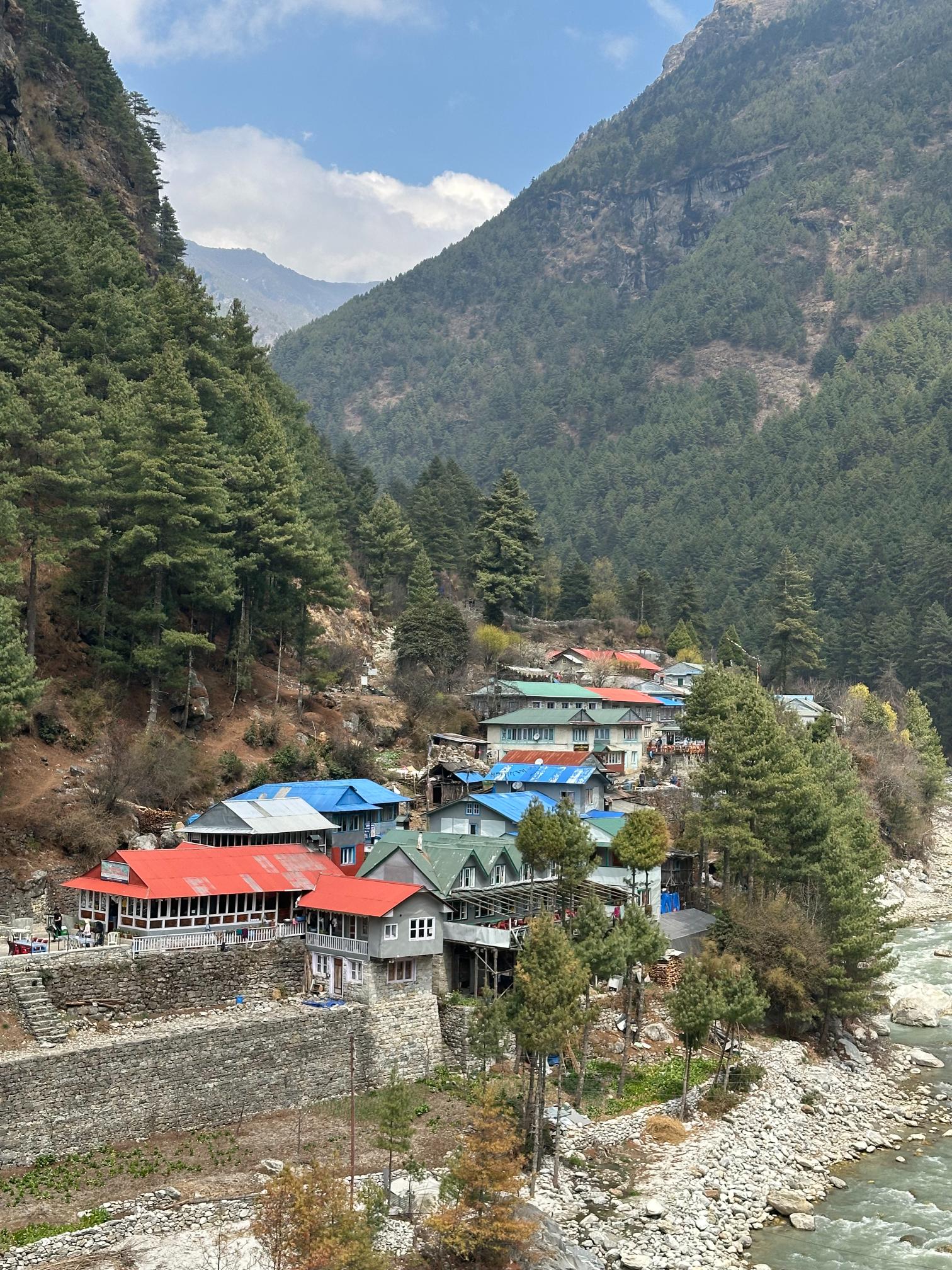
The coffee of Himalaya & Sons is grown in the Mount Everest region, well above 1,600 meters. At this altitude, nature becomes more precious: the air is purer, the plants mature more slowly, and the coffee beans lock in every drop of aroma more deeply.
Why Does High Altitude Produce Better Flavor?
High-altitude cultivation is more than a label. It profoundly influences a coffee’s taste, texture, and overall quality:
- Slower ripening → denser, more concentrated beans
- Lower oxygen → more intense aroma
- Cooler nights → sweeter, more complex flavor profile
- Mineral-rich soil → clean, refined finish
This is why high-altitude arabica naturally develops sweetness and a creamy texture. In every cup of Himalaya & Sons coffee, the altitude is unmistakable.
The Secret of the Sherpa Families: Hand Harvesting and Selection
High-altitude coffee is made special not only by the place where it grows, but also by those who care for it. The Sherpa families hand-pick and sort the coffee beans with decades of experience and a deep respect for nature.
Hand selection ensures that:
- only fully ripe cherries make it into the bag,
- defective or damaged beans never spoil the flavor,
- every package reflects true artisanal quality.
Why Is Nepalese High-Altitude Arabica So Rare?
- Nepal has no mass production,
- the growing areas are limited,
- the Sherpa communities work in small batches.
This rarity is what makes Himalaya & Sons coffee so exclusive.